Script tags are preserved for export, but are not executed inside the editor canvas.

professor

OEM kitchen knife manufacturing transforms a product concept, design drawing, or reference sample into a knife that can be produced consistently at scale. Beyond sample development, the process involves defining clear product specifications, manufacturing methods, and quality standards to maintain consistency throughout mass production.
Kitchen knife projects typically begin with a design drawing, reference sample, or product brief. The manufacturer reviews key requirements, including blade design, materials, handle construction, surface finish, branding, packaging, and estimated order quantity. An early feasibility review helps identify potential manufacturing challenges and determine suitable production methods before moving into sample development.
Clear product specifications provide the foundation for consistent manufacturing. Key details may include blade dimensions, steel grade, hardness requirements, handle materials, surface finish, logo placement, packaging, and acceptable tolerances. Documenting these requirements helps maintain consistency between approved samples and mass-produced products.
Prototypes allow product designs to be evaluated before mass production. Important considerations include dimensions, weight, balance, handle comfort, blade appearance, and cutting performance. During this stage, adjustments can be made to improve functionality, appearance, or manufacturing suitability. Once approved, the sample and product specifications serve as references for future production.
After sample approval, the manufacturer prepares the necessary materials, tooling, equipment, and production arrangements. Depending on the product design and complexity, a trial production run may be conducted to evaluate manufacturing consistency before full-scale production.
For stamped stainless-steel knives, manufacturing typically begins with cutting blade blanks from steel sheets or strips. The blades then undergo processes such as heat treatment, straightening, grinding, surface finishing, and sharpening. The exact sequence may vary depending on the product design and manufacturing method. Handle production varies according to the material and construction. Common processes include plastic injection molding, machining, polishing, and assembly. Once the blade and handle are completed, the knives undergo final assembly, cleaning, and quality inspection before packaging.
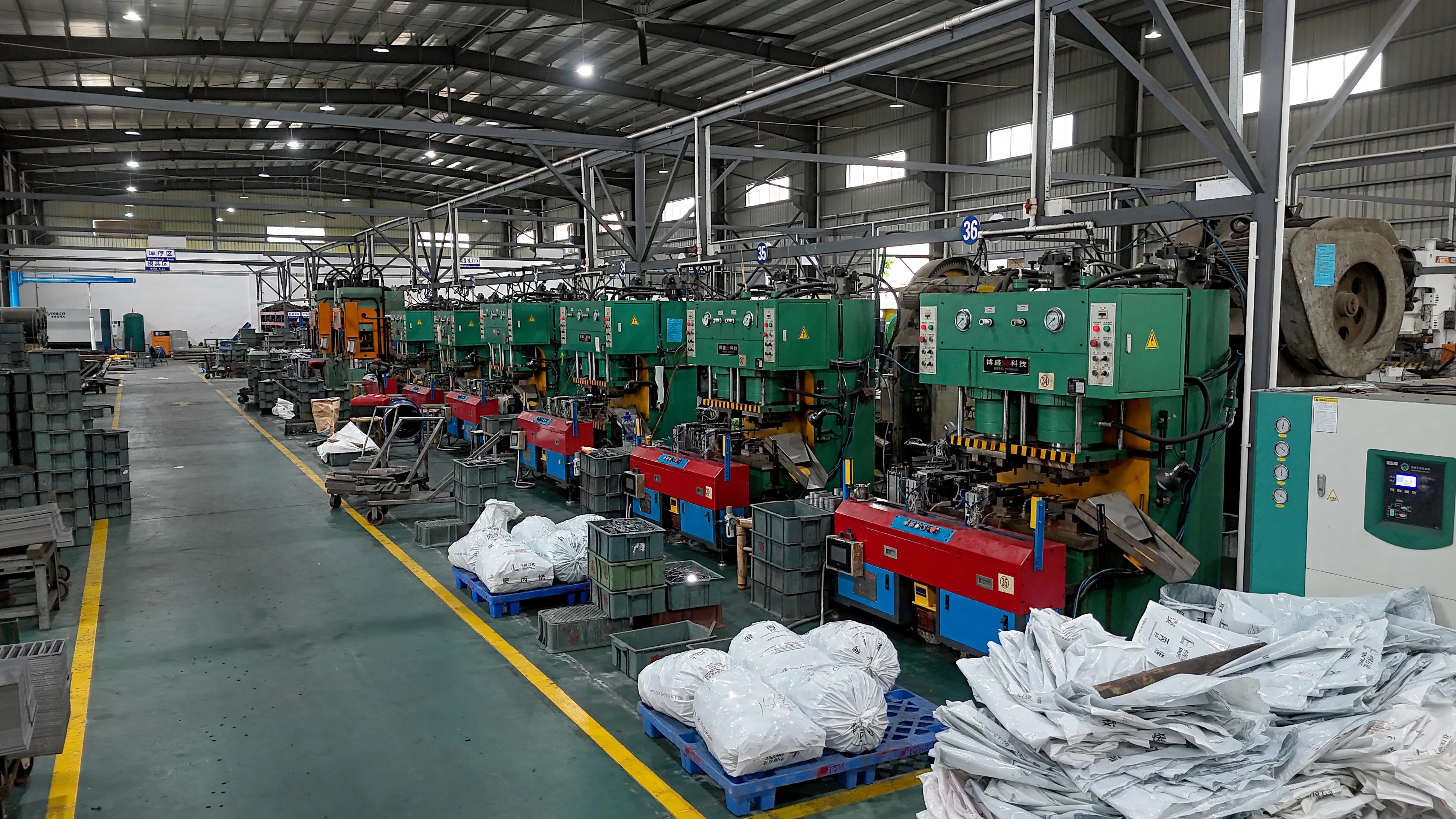
Quality control is an essential part of kitchen knife manufacturing, covering everything from material inspection to final packaging. Key inspection areas include material specifications, blade dimensions, hardness, surface finish, sharpening, handle assembly, and overall product appearance. Clearly defined quality standards and regular inspections help maintain product consistency throughout mass production.
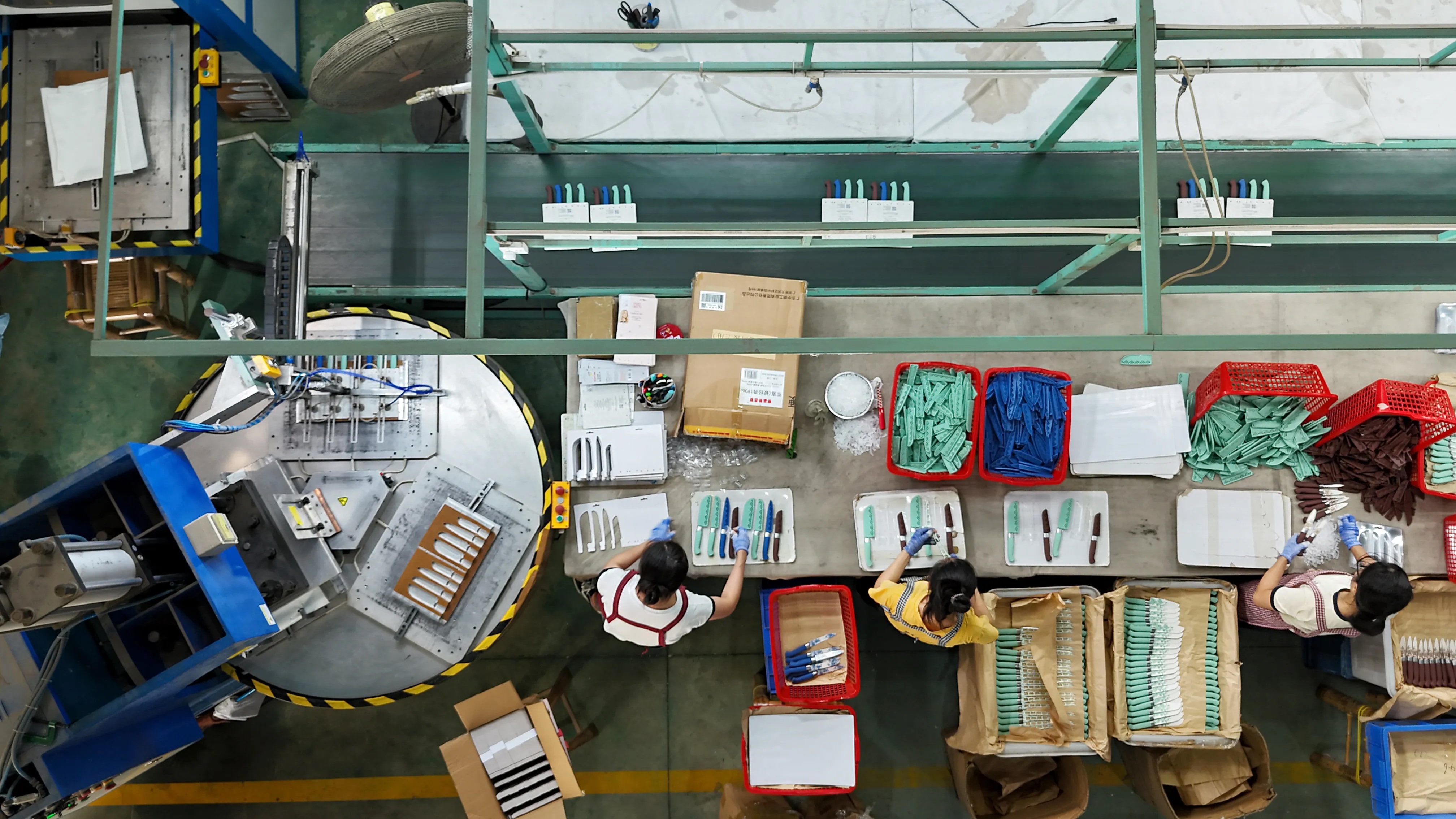
Packaging options for private-label kitchen knives include individual boxes, blister packs, knife-set packaging, and knife blocks, depending on the product and market requirements. Proper labeling, carton specifications, and shipping arrangements help ensure products are ready for distribution. For international orders, clear shipping requirements and agreed trade terms support a smoother delivery process.
At Nanxin, our manufacturing facility in Yangjiang supports the production of a wide range of kitchen knives, along with comprehensive OEM and ODM services.
From product development and sample evaluation to mass production, quality control, and packaging, we work closely with our customers to ensure product requirements are clearly understood and consistently maintained throughout the manufacturing process.
Submission successful!
Our sales team will contact you as soon as possible.